

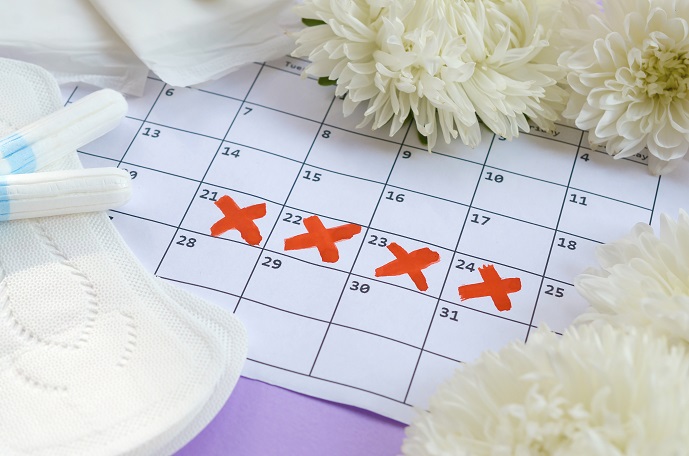
Irregular periods can affect women at different stages of life. A menstrual cycle that changes in timing, flow, or duration may point to hormonal shifts, lifestyle factors, or medical conditions. Some irregularities are temporary, while others may require medical attention. Understanding the possible causes can help women recognize when changes are mild and when they should seek further evaluation by a physician.
A regular menstrual cycle commonly occurs every 21 to 35 days. Some women experience predictable monthly periods, while others notice occasional variation. Irregular periods may include missed cycles, unusually heavy bleeding, spotting between periods, or periods arriving too early or too late.
- Hormonal Imbalances
Hormones play a central role in regulating the menstrual cycle. Changes in estrogen and progesterone levels can interrupt ovulation and alter menstrual patterns. Hormonal imbalance may develop from several conditions, including thyroid disorders and polycystic ovary syndrome (PCOS).
PCOS is one of the most common causes of irregular periods. Women with this condition may experience skipped periods, acne, excessive hair growth, or weight changes. Ovulation may occur less frequently, resulting in irregular menstrual cycles.
Thyroid disorders can produce similar effects. An underactive or overactive thyroid gland may affect hormone production and interfere with cycle regularity. Fatigue, mood changes, and unexplained weight fluctuations may appear alongside menstrual concerns.
- Stress and Emotional Strain
Stress can disrupt the body’s hormonal regulation. Emotional strain, work pressure, family concerns, or major life events may affect the hypothalamus, the brain region involved in menstrual regulation. As a result, periods may become delayed, lighter, or absent for a short time.
Long-term stress may continue disrupting the menstrual cycle if the body remains under ongoing tension. Sleep problems and anxiety may contribute to further hormonal imbalance.
- Significant Weight Changes
Body weight influences estrogen levels. Sudden weight loss, restrictive dieting, or excessive exercise may reduce body fat enough to interrupt ovulation. Women who engage in intense athletic training sometimes experience infrequent periods or a complete absence of menstruation.
Weight gain can also cause hormonal shifts. Increased body fat may raise estrogen levels, altering cycle timing and bleeding patterns. Obesity may raise the likelihood of developing PCOS and other reproductive conditions connected to irregular periods.
- Birth Control and Medications
Hormonal contraceptives can change menstrual patterns, particularly during the first few months of use. Some women experience spotting, lighter bleeding, or missed periods while using birth control pills, injections, implants, or intrauterine devices.
Certain medications may also affect menstruation. Antidepressants, blood thinners, and treatments affecting hormone production may contribute to irregular cycles. Women who notice sudden menstrual changes after starting a new medication should discuss their symptoms with a physician.
- Pregnancy and Breastfeeding
A missed period is commonly associated with pregnancy. Spotting during early pregnancy may sometimes be mistaken for a light period. Women who are sexually active and notice absent periods should consider pregnancy testing.
Breastfeeding may delay the return of regular menstruation after childbirth. Hormonal changes connected to milk production can suppress ovulation for several months. Menstrual cycles often return gradually and may remain irregular during this adjustment period.
- Perimenopause
Women approaching menopause often experience irregular periods during perimenopause. Hormone levels begin fluctuating as ovarian function changes with age. Cycles may shorten, lengthen, or become unpredictable.
Perimenopause commonly begins during a woman’s 40s, though it may start earlier for some individuals. Symptoms can include hot flashes, sleep disruption, mood changes, and vaginal dryness alongside menstrual irregularity.
- Medical Conditions Linked to Irregular Periods
Some medical conditions directly affect reproductive health and menstrual stability. .
Bleeding disorders and chronic illnesses may interfere with normal menstruation, too. In some cases, irregular bleeding may signal more serious concerns involving the reproductive organs. Persistent symptoms deserve medical evaluation to identify the underlying cause.
- Signs That Need Immediate Attention
Certain menstrual symptoms should never be ignored. Severe bleeding or intense pain may indicate conditions requiring urgent medical care.
Watch for these warning signs:
- Heavy bleeding that soaks through pads or tampons every hour
- Severe pelvic pain interfering with daily activities
- Bleeding between periods after menopause
- Missed periods accompanied by dizziness or fainting
- Sudden irregular cycles paired with unexplained weight changes
These symptoms may point to infections, hormonal disorders, pregnancy complications, or other medical concerns requiring prompt evaluation by a physician.
- How Irregular Periods Are Evaluated
A physician may review menstrual history, symptoms, lifestyle habits, and medical background during an evaluation. Blood tests may assess hormone levels, thyroid function, or pregnancy status. Imaging studies, such as pelvic ultrasound, can help identify structural conditions involving the uterus or ovaries.
Treatment depends on the underlying cause. Some women benefit from lifestyle adjustments, while others may require medication or further medical management. Early evaluation may help prevent complications and improve long-term reproductive health.
- Lifestyle Habits That Support Menstrual Health
Healthy routines may help regulate menstrual cycle health and support hormonal balance. Maintaining stable eating habits, regular physical activity, and stress management can contribute to cycle consistency.
Adequate sleep supports hormone regulation, while balanced nutrition helps maintain reproductive function. Women experiencing persistent irregular periods should avoid self-diagnosing and seek professional medical guidance for proper assessment.
- When to Seek Medical Care
Occasional variation in menstrual timing may not always signal a serious issue. Still, recurring irregular periods deserve attention, particularly when symptoms interfere with daily life or appear alongside pain, excessive bleeding, or fertility concerns.
Women should seek medical evaluation if menstrual changes continue for several months or develop suddenly without explanation. Timely care may identify conditions early and support better reproductive health outcomes.
If you are experiencing irregular periods or concerning menstrual symptoms, reach out to Serenity Women’s Health for professional evaluation and guidance from an experienced physician.
Disclaimer
Blogs, content and other media uploaded online are for informational purposes only. Contents on this website should not be considered medical advice. Readers are strongly encouraged to visit their physician for health-related issues.



Leave a Reply