


Fertility and pregnancy health are influenced by many factors, including age, genetics, and medical history. Daily lifestyle habits can affect reproductive function in both men and women and may impact the chances of conception and a healthy pregnancy. Choices involving nutrition, physical activity, sleep, stress management, and substance use may influence hormone balance, reproductive organs, and fetal development.
Understanding how these habits affect the body can help individuals make informed decisions before and during pregnancy. Small changes in daily routines may support reproductive wellness and contribute to healthier pregnancy outcomes.
- Nutrition and Reproductive Function
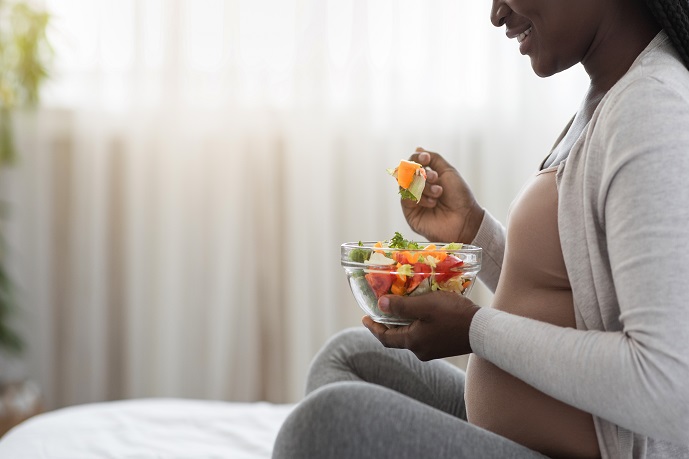
A balanced diet supports hormone production, egg quality, sperm health, and overall reproductive function. Nutrient-rich foods provide vitamins and minerals that support ovulation, implantation, and fetal growth.
Fruits, vegetables, whole grains, lean proteins, and healthy fats are commonly linked with improved reproductive wellness. Folate, iron, calcium, omega-3 fatty acids, and vitamin D are often discussed in relation to fertility and pregnancy health. Poor dietary habits, excessive processed foods, and high sugar intake may contribute to inflammation and hormone imbalance.
. Maintaining a healthy weight through balanced nutrition and physical activity may support reproductive health and lower pregnancy-related complications.
Hydration is another factor that should not be overlooked. Proper fluid intake supports circulation and helps the body function efficiently during the preconception and pregnancy stages.
- Physical Activity and Hormonal Balance
Regular exercise supports cardiovascular health, circulation, and hormone regulation. Moderate physical activity may improve fertility by helping maintain a healthy body weight and reducing stress levels.
Activities such as walking, swimming, yoga, and cycling are often recommended for individuals preparing for pregnancy. Exercise may improve insulin sensitivity and support regular menstrual cycles.
Excessive physical strain, though, may interfere with ovulation in some women. Intense training combined with inadequate calorie intake can disrupt hormone levels and menstrual patterns. Balance is important when creating an exercise routine.
During pregnancy, appropriate physical activity may support energy levels, reduce discomfort, and help manage weight gain. A physician can recommend safe exercises tailored to individual medical needs and the pregnancy stage.
- Stress and Emotional Wellness
Stress affects the body in many ways, including hormone production. Long-term stress may influence menstrual cycles, ovulation, libido, and sleep quality. Emotional strain can create physical responses that may interfere with reproductive function.
Managing stress may support fertility and pregnancy wellness. Relaxation techniques, mindfulness practices, counseling, and healthy social connections may help individuals cope with emotional pressures.
Pregnancy itself can bring emotional changes and anxiety. Emotional wellness is part of overall maternal health, and seeking guidance from a physician may help address concerns during pregnancy planning or prenatal care.
- Sleep and Reproductive Health
Sleep is linked to hormone regulation and physical recovery. Poor sleep habits may interfere with hormones connected to fertility, including those involved in ovulation and reproductive cycles.
Adults generally benefit from consistent sleep schedules and adequate rest each night. Sleep deprivation may contribute to stress, fatigue, and metabolic imbalance, which may affect fertility and pregnancy health.
Pregnant individuals often experience sleep disturbances caused by hormonal shifts and physical discomfort. Establishing calming bedtime routines and maintaining healthy sleep habits may support physical and emotional wellness during pregnancy.
- Smoking, Alcohol, and Substance Use
Smoking has been associated with reduced fertility in both men and women. Tobacco use may affect egg quality, sperm production, and reproductive organ function. Smoking during pregnancy may increase risks involving fetal growth and pregnancy complications.
Alcohol consumption may affect hormone balance and reproductive function. During pregnancy, alcohol exposure may affect fetal development and increase health risks for the baby.
Recreational drug use may interfere with fertility and pregnancy health as well. Certain substances may affect hormone production, implantation, fetal growth, and pregnancy outcomes.
Individuals planning a pregnancy are often encouraged to discuss lifestyle habits and substance use with a physician to better understand possible risks and support reproductive wellness.
- Environmental Exposure and Daily Habits
Environmental factors may influence fertility and pregnancy health. Exposure to harmful chemicals, pollutants, and toxins at home or work may affect reproductive function.
Products containing certain chemicals, including pesticides and industrial compounds, may impact hormone balance. Limiting unnecessary exposure and practicing safe handling of chemicals may support reproductive wellness.
Daily habits involving caffeine intake, screen time, meal timing, and work-life balance may contribute to overall physical health. Consistent healthy routines often support better long-term reproductive outcomes.
- Healthy Habits That May Support Fertility
The following lifestyle practices may support reproductive wellness and pregnancy health:
- Eat balanced meals rich in fruits, vegetables, whole grains, and lean proteins
- Maintain regular physical activity with moderate exercise routines
- Practice stress management through relaxation and healthy coping methods
- Follow consistent sleep habits with adequate nightly rest
- Avoid smoking, excessive alcohol use, and recreational substances
- Preparing for Pregnancy
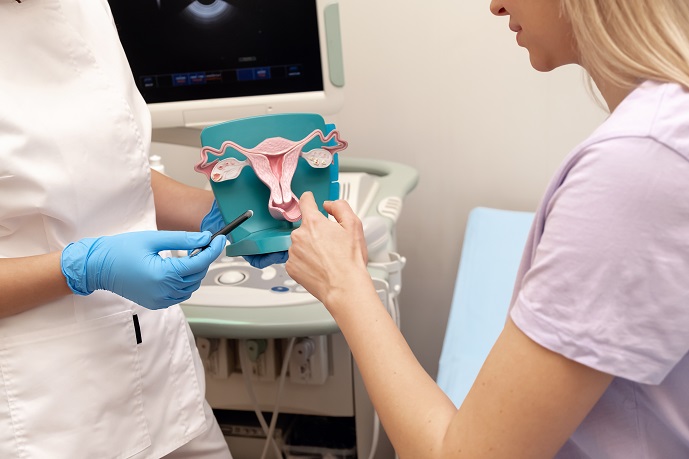
Preconception care allows individuals to discuss medical history, medications, nutrition, and lifestyle habits with a physician before pregnancy. This stage may help identify factors that could affect fertility or pregnancy health.
Routine medical visits may include screenings, nutritional guidance, and discussions about reproductive goals. Managing chronic conditions such as diabetes, hypertension, or thyroid disorders may support safer pregnancy outcomes.
Men’s health should be part of fertility planning as well. Sperm quality may be influenced by nutrition, smoking, alcohol use, stress, and environmental exposure. Healthy lifestyle practices can support reproductive function for both partners.
Pregnancy health begins before conception. Building consistent healthy habits may help create a supportive foundation for reproductive wellness and fetal development.
- Supporting Long-Term Reproductive Wellness
Lifestyle habits can affect fertility and pregnancy health over time. Nutrition, exercise, sleep, emotional wellness, and environmental exposure all play roles in reproductive function and maternal health.
Every individual’s health needs are different, and fertility concerns may involve various medical factors. Speaking with a physician can provide guidance based on personal health history and reproductive goals.
For professional guidance on fertility and pregnancy wellness, reach out to Serenity Women’s Health and learn more about available women’s health services.
Disclaimer
Blogs, content and other media uploaded online are for informational purposes only. Contents on this website should not be considered medical advice. Readers are strongly encouraged to visit their physician for health-related issues.
Leave a Reply