

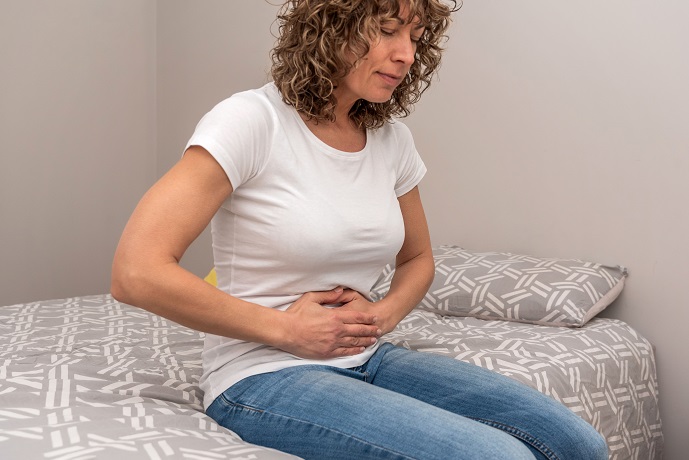
Pelvic pain is a common health concern affecting women of all ages, and it can significantly impact quality of life. This type of discomfort may occur in the lower abdomen, hips, or pelvic region and can range from occasional mild aches to persistent, severe pain. While some episodes may be linked to menstrual cycles, others may indicate underlying medical conditions that require professional evaluation. Understanding the causes, symptoms, and management strategies of pelvic pain is vital for ensuring effective care, preventing complications, and promoting overall well-being. Women experiencing ongoing discomfort should seek medical guidance to receive an accurate diagnosis, targeted treatment, and supportive care.
- Understanding the Causes of Pelvic Pain
Pelvic pain can arise from a wide variety of sources, including gynecological, urological, gastrointestinal, and musculoskeletal conditions. Gynecological causes are among the most common and include conditions such as endometriosis, ovarian cysts, fibroids, pelvic inflammatory disease, and menstrual irregularities. Endometriosis, for instance, can cause chronic pain due to the presence of uterine-like tissue outside the uterus, resulting in painful cycles, fatigue, and challenges with daily activities. Fibroids or ovarian cysts may lead to pressure, bloating, or sharp abdominal pain, depending on their size and location. , sometimes accompanied by urinary urgency or burning sensations. Gastrointestinal problems, such as irritable bowel syndrome, constipation, or inflammatory bowel disease, may trigger or worsen pelvic pain. In addition, musculoskeletal factors such as weak pelvic floor muscles, postural imbalances, or prior injuries can contribute to chronic discomfort. A comprehensive understanding of the cause is essential for effective management and relief.
- Recognizing Symptoms and When to Seek Care
Symptoms of pelvic pain can differ widely in intensity and duration. Some women experience sharp, stabbing sensations, while others report a dull, aching pressure. The pain may be continuous or intermittent and can intensify during menstruation, sexual activity, bowel movements, or prolonged physical activity. Additional symptoms such as bloating, nausea, abnormal bleeding, or urinary changes may signal underlying conditions that require evaluation. It is important to seek medical attention if pelvic pain is persistent, severe, or accompanied by unusual bleeding, fever, or sudden changes in bowel or urinary function. Early assessment can prevent potential complications and ensure appropriate intervention. Regular gynecological visits allow healthcare providers to monitor pelvic health, track symptoms, and provide timely care, contributing to better long-term outcomes.
- Comprehensive Diagnosis and Evaluation
Proper evaluation of pelvic pain begins with a detailed medical history and physical examination. Healthcare providers often use imaging techniques, such as ultrasound, CT, and MRI, to visualize internal organs and identify abnormalities. Laboratory tests may be performed to detect infections, hormonal imbalances, or inflammatory markers. In certain cases, minimally invasive procedures like laparoscopy can confirm a diagnosis and inform treatment decisions, particularly for conditions like endometriosis or fibroids. In addition to medical testing, providers assess lifestyle factors, stress levels, and physical activity that may influence pelvic health. This holistic approach ensures an accurate diagnosis and supports the development of a comprehensive treatment plan. A proper evaluation not only identifies the root cause of discomfort but also prevents unnecessary treatments and promotes targeted, effective interventions.
- Treatment and Management of Pelvic Pain
Treatment for pelvic pain varies depending on the underlying cause, severity, and individual health needs. Common approaches include anti-inflammatory drugs, hormonal therapies, and antibiotics for infections. Physical therapy focused on pelvic floor strengthening, posture correction, and core stability can relieve musculoskeletal contributors to pain. When structural or tissue-related issues are identified, surgical interventions may be necessary. Procedures like laparoscopic surgery can remove cysts, fibroids, or endometrial tissue, providing significant relief while minimizing recovery time. Complementary strategies such as gentle exercise, relaxation techniques, and stress management can support overall comfort and enhance the effectiveness of medical treatment. Continuous follow-up ensures that treatment is adjusted as needed and promotes long-term wellness.
- Preventive Care and Lifestyle Adjustments
Maintaining healthy lifestyle practices is a key aspect of managing and preventing pelvic pain. Regular physical activity, a balanced diet rich in anti-inflammatory foods, and stress reduction techniques support overall pelvic and reproductive health. Women should also monitor menstrual patterns, promptly treat infections, and schedule regular gynecological checkups to detect potential issues early.
Tracking symptoms and maintaining open communication with healthcare providers allows women to respond quickly to changes in pelvic health. Education about pelvic anatomy, safe exercise practices, and self-care strategies empowers women to take an active role in their well-being. Proactive attention to lifestyle factors can reduce the risk of chronic pain and promote overall comfort and quality of life.
- When to Seek Professional Support
Persistent or severe pelvic pain should never be ignored, as it may indicate conditions that require professional medical care. Timely evaluation by a gynecologist helps prevent complications, identify underlying causes, and provide access to effective treatments. Regular monitoring and preventive care enhance reproductive health and ensure that women can maintain both comfort and vitality.
If you are experiencing pelvic pain or have concerns about your reproductive health, reach out to us at Serenity Women’s Health for a comprehensive evaluation and care. Their experienced team offers thorough assessments, advanced treatment options, and ongoing support to help women manage pelvic discomfort and achieve long-term wellness. Schedule a consultation today to take proactive steps toward a healthier, pain-free life.

Leave a Reply