

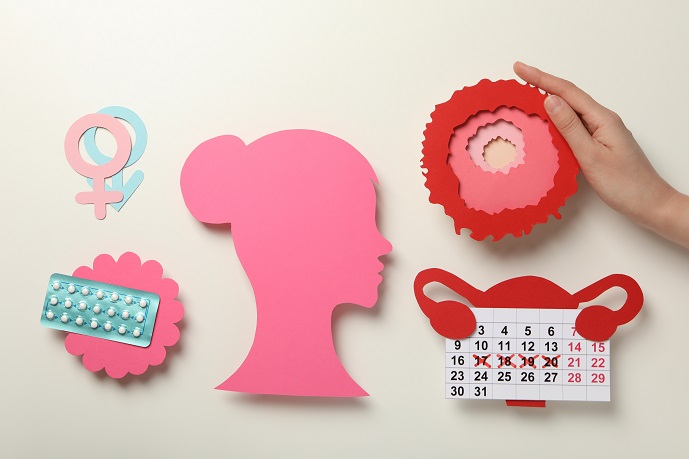
Hormones play a central role in regulating the menstrual cycle, influencing everything from ovulation to menstruation. When hormone levels fluctuate abnormally, they can disrupt the cycle, leading to physical discomfort, emotional changes, and potential long-term health concerns. Recognizing these effects and understanding their impact can empower women to seek guidance from a physician and make informed decisions about their reproductive health.
- What Causes Hormonal Imbalance
Hormonal imbalance occurs when the body produces too much or too little of certain hormones, disrupting the natural rhythm of the menstrual cycle. These and natural life changes.
Common contributors include:
- Stress: Chronic stress triggers the release of cortisol, a hormone that can interfere with the production of estrogen and progesterone, both of which are critical for a regular cycle. High stress levels over time may result in skipped or irregular periods.
- Dietary Factors: Poor nutrition, insufficient calorie intake, or unbalanced diets can hinder hormone production. Deficiencies in nutrients such as vitamin D, magnesium, or omega-3 fatty acids may exacerbate hormonal fluctuations.
- Medical Conditions:, which can lead to irregular or absent periods. Thyroid disorders, including hypothyroidism and hyperthyroidism, can also disrupt menstrual cycles.
- Medications: Prescription medications, particularly hormonal contraceptives, can influence natural hormone levels. While some women benefit from these medications, others may experience cycle irregularities or other side effects.
- Life Stages: Hormone levels naturally fluctuate during puberty, pregnancy, perimenopause, and menopause. These shifts can temporarily affect menstrual patterns and may increase susceptibility to hormonal imbalances if compounded by other factors.
- Recognizing the Symptoms
Hormonal imbalances can present in various ways, often affecting both physical and emotional health. Common symptoms to watch for include:
- Irregular or missed periods
- Heavy or unusually light menstrual bleeding
- Severe cramps or persistent pelvic discomfort
- Mood changes, irritability, or anxiety
- Fatigue and low energy levels
- Skin issues, including acne or thinning hair
Tracking these changes over several months can provide valuable insights when discussing concerns with a physician. Keeping a detailed record of cycle length, flow intensity, and associated symptoms can help pinpoint patterns and potential hormonal issues.
- How Hormones Influence the Menstrual Cycle
The menstrual cycle progresses through several hormonally regulated phases, each essential for reproductive health:
- Follicular Phase: Estrogen promotes growth of the uterine lining in preparation for ovulation.
- Ovulation: A surge in luteinizing hormone triggers the release of an egg from the ovary.
- Luteal Phase: Progesterone supports the uterine lining to sustain a potential pregnancy.
- Menstruation: If fertilization does not occur, estrogen and progesterone levels decline, leading to menstrual bleeding.
Any disruption in these hormonal phases can cause irregularities, including skipped cycles, unusually heavy or light periods, shortened cycles, or prolonged cycles.
- Common Hormonal Imbalances
Several hormonal issues can specifically affect menstrual health:
- Estrogen Dominance: When estrogen levels are high relative to progesterone, women may experience heavy periods, bloating, breast tenderness, and mood swings.
- Low Progesterone: Insufficient progesterone can lead to irregular cycles, spotting, and difficulty sustaining pregnancy.
- Thyroid Disorders: Both hypothyroidism and hyperthyroidism can disrupt ovulation and cause changes in menstrual flow and cycle length.
- Polycystic Ovary Syndrome (PCOS): Elevated androgens in PCOS often lead to absent or irregular periods and may contribute to weight gain, acne, and excessive hair growth.
- High Prolactin Levels: Excess prolactin, often caused by pituitary issues, can inhibit ovulation and lower estrogen production, resulting in missed periods or irregular cycles.
- Lifestyle Factors That Support Hormonal Balance
Certain lifestyle choices can help regulate hormones and support a consistent menstrual cycle:
- Balanced Nutrition: A diet that includes healthy fats, lean proteins, and complex carbohydrates provides essential nutrients for hormone production. Foods rich in omega-3 fatty acids, vitamin D, and antioxidants may be particularly beneficial.
- Regular Physical Activity: Consistent, moderate exercise can reduce stress, maintain a healthy weight, and support hormone function.
- Adequate Sleep: Quality sleep is critical for hormone regulation. Disrupted or insufficient sleep can increase cortisol levels and negatively affect estrogen and progesterone balance.
- Stress Management: Practices such as mindfulness, meditation, or gentle exercise can help lower stress hormones, reducing their impact on menstrual regularity.
- Avoid Environmental Disruptors: Limiting exposure to endocrine-disrupting chemicals in plastics, pesticides, and personal care products can help prevent additional hormone interference.
- When to Consult a Physician
Women experiencing significant or persistent changes in their cycle should seek medical advice. Situations warranting consultation include:
- Sudden or dramatic changes in period regularity
- Excessively heavy or painful menstrual cycles
- Severe mood swings or fatigue impacting daily activities
- Difficulty conceiving
Early evaluation by a physician can identify the underlying cause of hormonal imbalance and guide appropriate treatment options.
- Approaches to Treatment
Treatment for hormonal imbalance varies depending on its type and cause:
- Hormone Therapy: Restores hormone levels and supports regular cycles.
- Medication for Specific Conditions: Addresses underlying issues such as thyroid disorders or PCOS.
- Nutritional Support: Diet and supplements can support hormone production and overall menstrual health.
- Lifestyle Adjustments: Implementing stress management strategies, regular exercise, and sleep optimization can improve hormonal balance.
- Maintaining Long-Term Hormonal Health
Ongoing attention to lifestyle and cycle monitoring can support hormonal health:
- Track your menstrual cycle to detect irregularities or changes.
- Maintain a nutrient-rich diet to support hormone function.
- Engage in regular physical activity and ensure adequate rest.
- Incorporate stress-reducing techniques into daily routines.
- Schedule routine checkups with a physician to monitor reproductive health.
Hormonal imbalances affect more than just menstrual cycles—they can influence mood, energy levels, and overall wellness. Recognizing symptoms early and taking action can help maintain balance and prevent complications. If you are experiencing irregularities or other symptoms related to your cycle, reach out to us at Serenity Women’s Health to discuss your concerns and explore solutions that can restore balance and improve your menstrual health.
Disclaimer
Blogs, content and other media uploaded online are for informational purposes only. Contents on this website should not be considered medical advice. Readers are strongly encouraged to visit their physician for health-related issues.
Leave a Reply