

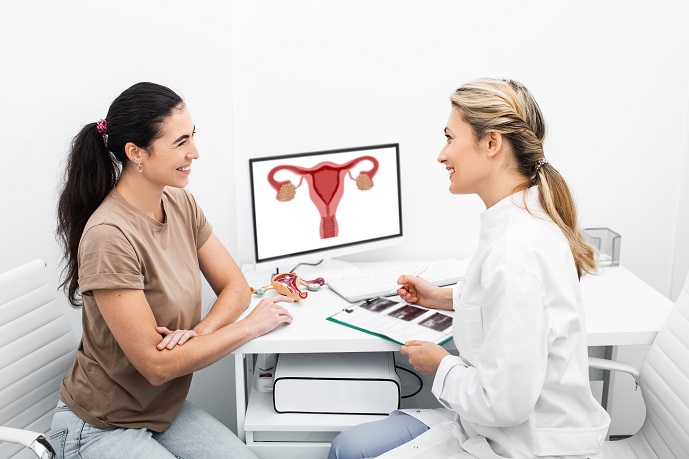
Preventive gynecology is a cornerstone of lifelong wellness for women. It focuses on early detection, routine screenings, and proactive care to maintain reproductive and overall health. Many women assume gynecologic visits are only necessary when symptoms arise, but regular preventive care can detect potential issues before they become serious, promoting better long-term health outcomes. Understanding the role of preventive gynecology empowers women to take charge of their health with confidence.
The Importance of Preventive Gynecology
Preventive gynecology extends beyond managing reproductive health—it is about supporting the body’s overall function and detecting early signs of conditions that may impact long-term well-being. Regular visits with a physician allow for routine screenings such as Pap smears, pelvic exams, and breast checks, which can identify early warning signs of conditions like cervical cancer, ovarian cysts, or hormonal imbalances.
Early intervention through preventive care is crucial. Detecting abnormalities in their initial stages often allows for more effective treatment options and better health outcomes. Moreover, preventive gynecology offers the opportunity to discuss reproductive planning, contraception, and menopause management, ensuring women receive guidance appropriate to their life stage.
Key Preventive Screenings and Examinations
Routine screenings are essential to preventive gynecology. These examinations not only monitor reproductive health but also provide insight into overall wellness. Common preventive services include:
Pap Smear Tests: Detect abnormal cervical cells that may lead to cervical cancer.
Pelvic Exams: Assess the health of reproductive organs, identifying potential cysts, fibroids, or infections.
Breast Exams and Mammograms: Screen for early signs of breast cancer.
STI Testing: Detect sexually transmitted infections that can affect reproductive health.
Bone Density Checks: Particularly important during perimenopause and menopause, supporting early intervention for osteoporosis.
These screenings are designed to identify potential issues before symptoms occur, enabling timely treatment and management. Women are encouraged to establish a routine schedule with their physician to maintain consistent monitoring.
Lifestyle Factors That Support Gynecologic Health
Lifestyle choices play a significant role in preventive gynecology.
Nutrition: Consuming a diet rich in whole foods, fruits, vegetables, lean proteins, and healthy fats supports hormonal regulation and overall reproductive health. Specific nutrients, including folic acid, calcium, and vitamin D, are vital for bone and reproductive wellness.
Physical Activity: Regular moderate exercise enhances circulation, supports healthy hormone levels, and helps maintain a healthy weight, which can reduce the risk of reproductive disorders.
Stress Management: Chronic stress may impact hormonal balance and menstrual cycles. Techniques such as meditation, yoga, or deep-breathing exercises can help maintain equilibrium.
Sleep Hygiene: Adequate sleep supports hormone production and immune function. Adults generally need seven to nine hours of consistent rest to maintain overall well-being.
Simple lifestyle adjustments can reinforce the benefits of preventive care, complementing medical guidance from a physician.
Understanding Hormonal Health
Hormonal fluctuations are a natural part of a woman’s life, but imbalances can affect overall wellness, menstrual cycles, fertility, and even mood. dhelps monitor hormonal health through routine screenings and discussions with your physician.
Regular assessments can detect issues such as:
Thyroid Disorders: Can affect metabolism, menstrual cycles, and fertility.
Polycystic Ovary Syndrome (PCOS): Early detection allows for interventions that support fertility and metabolic health.
Menopause Symptoms: Physicians can guide women through hormonal changes with options for symptom management and lifestyle adjustments.
By understanding hormonal health, women can proactively address potential concerns, improve their quality of life, and reduce the risk of long-term complications.
Vaccinations and Preventive Measures
Preventive gynecology also includes vaccinations and other measures to protect reproductive and overall health. For example, the HPV vaccine helps prevent cervical cancer, while routine immunizations can protect against other illnesses that may impact reproductive wellness. Discussing vaccination schedules with a physician ensures women receive timely preventive measures based on their individual needs.
Mental Health and Gynecologic Wellness
Emotional well-being is closely linked to gynecologic health. Stress, anxiety, and depression can influence menstrual cycles, fertility, and overall physical health. Physicians can provide support, resources, and referrals to mental health specialists when needed, integrating emotional wellness into preventive care strategies.
Partner and Family Planning Considerations
Preventive gynecology also addresses family planning and reproductive goals. Physicians can advise on contraceptive options, preconception planning, and fertility preservation. Open communication during preventive visits allows women to align their reproductive plans with their overall wellness objectives.
Environmental and Lifestyle Awareness
Exposure to certain chemicals, pollutants, or lifestyle factors may affect reproductive health over time. Preventive gynecology encourages awareness and offers guidance on minimizing risks, including the use of safer household products, proper nutrition, and routine wellness practices.
Take Action for Lifelong Wellness
Preventive gynecology is an investment in long-term health. By combining routine screenings, lifestyle adjustments, and open communication with a physician, women can maintain optimal wellness throughout their lives. Waiting for symptoms can delay treatment and limit options, whereas proactive care empowers women to act early.
Preventive gynecology is a cornerstone of lifelong wellness for women. It focuses on early detection, routine screenings, and proactive care to maintain reproductive and overall health. Many women assume gynecologic visits are only necessary when symptoms arise, but regular preventive care can detect potential issues before they become serious, promoting better long-term health outcomes. Understanding the role of preventive gynecology empowers women to take charge of their health with confidence.
Schedule a preventive gynecology appointment with Serenity Women’s Health today to take a proactive step toward lifelong wellness. Our physicians provide compassionate, evidence-based care and guidance to help women feel confident in their health decisions. Investing in preventive care today builds a foundation for a healthier, more confident tomorrow. Your wellness matters, and the right care at the right time can make a meaningful difference.
Disclaimer
Blogs, content and other media uploaded online are for informational purposes only. Contents on this website should not be considered medical advice. Readers are strongly encouraged to visit their physician for health-related issues.

Leave a Reply