

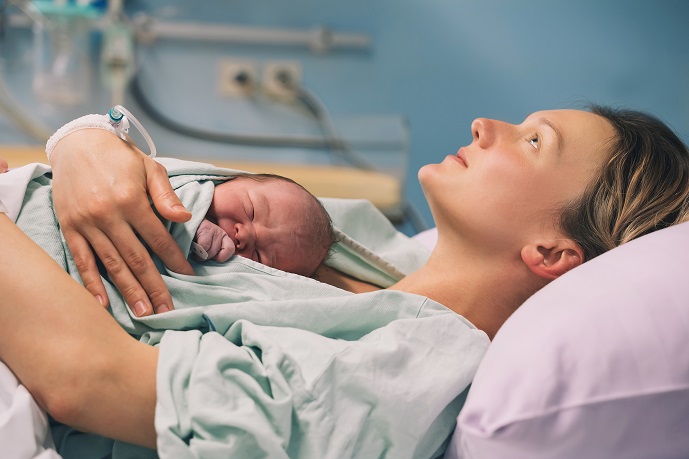
Preparing for a planned cesarean delivery gives expectant parents time to understand the process and make thoughtful arrangements before the birth of their baby. A scheduled procedure allows time to discuss expectations with a physician, organize household responsibilities, and gather items needed for the hospital stay. Learning about each stage of the experience can reduce uncertainty and help families feel ready for the day of delivery.
- Understanding Planned Cesarean Delivery
A planned cesarean delivery is a surgical birth scheduled before labor begins. A physician may recommend this option for several medical reasons, including a previous cesarean birth, certain fetal positions, placenta-related concerns, multiple pregnancies, or other conditions affecting pregnancy. Since the procedure is scheduled in advance, families often have the opportunity to ask questions and receive instructions before the delivery date. Knowing what to expect helps create a smoother experience from admission through recovery.
- Preparing Before Surgery
Preparing for surgery begins several days before the scheduled delivery. A physician may discuss medications, dietary and fluid intake instructions, and the expected arrival time at the hospital. Completing paperwork early, arranging transportation, and confirming childcare for older children can help reduce last-minute concerns. Packing a hospital bag with comfortable clothing, toiletries, infant clothing, identification, and personal items allows families to focus on the birth experience rather than on forgotten necessities.
- Discussing Medical History With a Physician
A detailed review of medical history allows the physician to identify factors that may influence the surgical plan. Information about allergies, medications, previous surgeries, medical conditions, and pregnancy progress helps guide decisions before the procedure. Open communication supports safe planning and gives patients an opportunity to discuss anesthesia, recovery expectations, pain management, and questions related to the birth. Clear conversations help families understand each step before arriving at the hospital.
- What Happens on Delivery Day
On the day of the scheduled birth, patients usually arrive several hours before surgery for admission and preparation. Hospital staff may perform routine assessments, review medical information, start an intravenous line, and prepare the surgical area. A physician and anesthesia team explain the procedure and answer any remaining questions before entering the operating room. During surgery, the birth usually takes place within a short period, followed by additional time for completing the procedure and monitoring both mother and baby.
- Preparing Hospital Essentials
Bringing the right items can make the hospital stay more comfortable. Consider packing the following:
- Comfortable clothing can make recovery easier after surgery. Loose-fitting outfits reduce pressure around the incision site and allow easier movement during the hospital stay. A lightweight robe, supportive footwear, and nursing-friendly clothing may provide added comfort during recovery.
- Infant supplies such as clothing, blankets, and an approved car seat help families prepare for discharge. Packing a few outfit options in different sizes can be helpful since newborn measurements vary. A receiving blanket and baby hat may provide extra comfort after birth.
- Personal care items like toothbrushes, toiletries, lip balm, hair ties, eyeglasses, and phone chargers can improve convenience during the hospital stay. Bringing items that support daily routines helps patients feel more comfortable throughout recovery. Many families appreciate having a small pillow or blanket from home for added familiarity.
- Important documents, including identification, insurance information, and hospital forms, help simplify the admission process. Keeping paperwork together in a folder makes it easier to access when requested. A written list of emergency contacts may be useful if family members need updates.
- Support person supplies deserve attention before leaving for the hospital. Snacks, a refillable water bottle, comfortable clothing, chargers, and personal medications help support partners or family members who plan to remain during the hospital stay. Preparing these items in advance reduces unnecessary trips outside the hospital.
- Understanding Anesthesia
Most planned cesarean deliveries involve anesthesia that allows patients to remain awake during the birth. A spinal or epidural anesthetic commonly provides pain relief while allowing parents to experience the arrival of their baby. The anesthesia team monitors comfort and vital signs throughout the procedure. Patients often feel pressure or movement during surgery without feeling pain. Discussing anesthesia options before delivery helps answer questions and reduce uncertainty.
- Caring for the Recovery Process
Recovery begins soon after surgery with close observation by the medical team. Patients are encouraged to begin gentle movement when appropriate, as directed by the physician. Walking short distances, staying hydrated, and following post-operative instructions support recovery during the hospital stay. The incision requires proper care, and patients receive guidance on activity restrictions, follow-up appointments, and signs to report to a physician after returning home.
- Supporting Emotional Well-Being
Preparing emotionally can be just as meaningful as preparing physically. Every birth experience is different, and feelings may range from excitement to nervousness before surgery. Talking openly with loved ones and asking questions during prenatal visits can provide reassurance. After delivery, adjusting to recovery, feeding routines, and newborn care takes time. Patience and realistic expectations allow families to focus on healing and bonding with their new baby.
- Planning for Home Recovery
Returning home after a planned cesarean delivery involves continuing recovery over the following weeks. . Keeping commonly used items within easy reach reduces unnecessary strain on the incision area. Attending scheduled follow-up visits allows the physician to monitor healing, answer questions, and provide guidance as recovery continues.
Preparing for a planned cesarean delivery helps families approach the experience with greater confidence and realistic expectations. Learning about the procedure, understanding the recovery process, and organizing practical needs before the birth can support a smoother transition to welcoming a new baby. If you would like guidance about pregnancy care or a scheduled cesarean delivery, contact us at Serenity Women’s Health to learn more about available services and receive support from an experienced physician.
Disclaimer
Blogs, content and other media uploaded online are for informational purposes only. Contents on this website should not be considered medical advice. Readers are strongly encouraged to visit their physician for health-related issues.
Leave a Reply