

Cervical cancer remains one of the most preventable forms of cancer affecting women worldwide. Despite advances in medical science, many women continue to be diagnosed in later stages due to missed screenings or lack of awareness. The truth is simple—early detection saves lives. One of the most powerful diagnostic tools for identifying precancerous changes in the cervix is colposcopy, a procedure that offers a detailed, magnified view of cervical tissue. At Serenity Women’s Health, we are dedicated to promoting preventive care and empowering women to protect their well-being through timely screening and education.
- Understanding Colposcopy
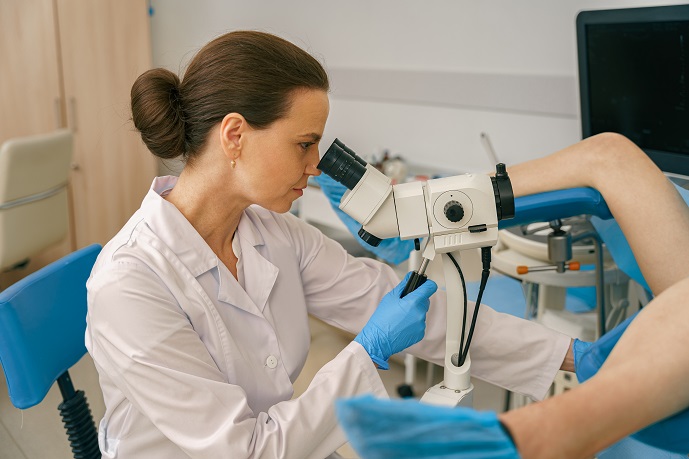
A colposcopy is a specialized examination that allows physicians to closely observe the cervix, vagina, and vulva for any abnormal or precancerous changes. Using an instrument called a colposcope, which provides magnification and light, physicians can identify areas that may not be visible during a routine Pap smear. The procedure is typically performed when a Pap test or HPV screening indicates abnormal results.
During the procedure, your physician applies a mild acetic acid solution to the cervix, which helps highlight abnormal tissues. If suspicious areas are detected, a small biopsy may be taken for further laboratory analysis. The procedure itself usually takes less than 20 minutes and is performed in a clinic setting. While some patients may experience mild discomfort or pressure, the process is generally well tolerated and requires no anesthesia.
Colposcopy is not only diagnostic—it’s preventive. By identifying abnormal cells early, treatment can be administered before cancer has the chance to develop. This makes it one of the most valuable tools in women’s health care.
- The Role of Colposcopy in Cervical Cancer Prevention
Cervical cancer develops gradually over several years. It often begins as precancerous cell changes caused by persistent infection with the human papillomavirus (HPV)—a common virus transmitted through intimate skin-to-skin contact. In most cases, HPV infections resolve naturally. However, when the virus persists, it can lead to the development of abnormal cervical cells, which may progress to cancer if left untreated.
Regular screenings, such as Pap smears and HPV testing, detect early changes in cervical cells. If results show abnormalities, colposcopy provides the next step—a closer look to determine whether these changes are mild, moderate, or severe. Detecting and addressing these abnormalities early allows physicians to remove or treat the affected tissue, significantly reducing the risk of cervical cancer.
We emphasize that prevention begins with awareness. Colposcopy bridges the gap between screening and diagnosis, giving women a powerful advantage in maintaining lifelong reproductive health.
- When to Consider a Colposcopy
Your physician may recommend a colposcopy for several reasons. The most common is an abnormal Pap smear—a test designed to detect abnormal cells on the cervix. Colposcopy is also indicated if you’ve tested positive for high-risk HPV, experienced unexplained vaginal bleeding, or have visible lesions on your cervix during a pelvic exam.
Even if you have no symptoms, regular screening is essential. Cervical abnormalities often develop silently, without causing pain or noticeable discomfort. By the time symptoms appear, the condition may have already progressed. Colposcopy ensures that potential issues are identified and addressed before they become serious.
Our compassionate physicians understand that undergoing a colposcopy can be intimidating. We take time to explain each step of the process, answer your questions, and ensure you feel supported from beginning to end.
- What to Expect During and After the Procedure
A colposcopy is typically performed in a private, comfortable clinical environment. You’ll be positioned similarly to a routine pelvic exam while the physician examines your cervix using the colposcope, which remains outside your body. The entire process takes only a few minutes.
If a biopsy is needed, a small tissue sample is removed for analysis. While this may cause mild cramping or spotting afterward, recovery is usually quick. Most women return to their daily activities immediately after the procedure. Following a biopsy, it’s best to avoid tampons, douching, or sexual intercourse for a few days to allow the cervix to heal.
Patient comfort is a top priority. Our care team takes every precaution to minimize discomfort and ensure that each patient feels informed and cared for throughout the experience.
- The Power of Prevention
Preventive care is the cornerstone of women’s health. Colposcopy, when combined with regular Pap smears and HPV testing, offers a comprehensive approach to early detection. Together, these screenings form a strong defense against cervical cancer by identifying abnormalities before they can progress.
Cervical cancer is highly treatable when detected early. Treatments for precancerous lesions—such as cryotherapy, laser therapy, or LEEP (loop electrosurgical excision procedure)—are highly effective and can prevent cancer from developing entirely. The key lies in timely intervention, which begins with consistent screening and follow-up care.
- Overcoming Fear and Misconceptions
Despite its importance, many women delay or avoid colposcopy due to fear, embarrassment, or lack of information. Some worry that the procedure will be painful or that abnormal test results automatically mean cancer. In reality, most abnormal Pap results are not cancerous. Colposcopy simply provides a closer look to ensure nothing serious is overlooked.
We believe that knowledge empowers confidence. We strive to create a welcoming environment where women can discuss their concerns openly, understand their options, and make informed decisions about their health.
- Taking Charge of Your Health
Every woman deserves access to accurate information, compassionate care, and preventive services that safeguard her well-being. Scheduling regular cervical cancer screenings and following through with recommended colposcopies can make a profound difference in long-term health outcomes.
Whether you’re receiving your first Pap smear or following up after an abnormal test, we are here to guide you every step of the way. .
- Your Partner in Women’s Health
We are more than a clinic—we are your health partners. Our mission is to help women maintain optimal wellness through preventive screenings, early detection, and compassionate medical guidance. By prioritizing regular checkups, we help ensure that every woman has the opportunity to live a healthy, confident, and empowered life.
Take the next step in protecting your health. If you’ve had an abnormal Pap test or are due for a cervical screening, contact us at Serenity Women’s Health today to schedule your appointment. Early detection doesn’t just save lives—it preserves your future. Let us help you take control of yours.
Disclaimer
Blogs, content and other media uploaded online are for informational purposes only. Contents on this website should not be considered medical advice. Readers are strongly encouraged to visit their physician for health-related issues.



Leave a Reply