

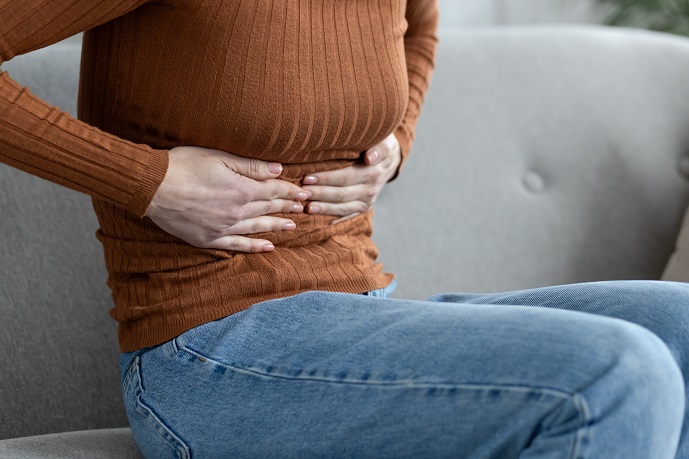
For countless women, pelvic pain during menstruation is an expected, if unwelcome, part of life. It often arrives in the form of cramping, aching, or pressure that can make the first days of a cycle uncomfortable. Because it is so common, many women accept this discomfort as normal, even when it disrupts daily activities. Yet, not all menstrual pain is created equal. While some level of discomfort is to be expected, persistent or severe pelvic pain may be the body’s way of signaling that something deeper is wrong. Understanding when pain is a natural part of menstruation and when it points to a possible health concern is vital for safeguarding long-term well-being.
- Why Pelvic Pain Happens During Menstruation
Menstrual pain, clinically referred to as dysmenorrhea, is the result of natural biological processes. Each month, the uterus sheds its lining to prepare for a new cycle. In doing so, the uterine muscles contract, a process triggered by hormone-like substances known as prostaglandins. These contractions help expel the lining but can also restrict blood flow to the uterine tissue, creating the cramping and discomfort that many women feel.
For some, this discomfort is mild and manageable. For others, it can be sharp, radiating, or exhausting. The difference often lies in the level of prostaglandins released, an individual’s pain sensitivity, and whether other conditions are at play. In most cases, the pain eases after a day or two and does not significantly interfere with regular activities. However, when pain persists or becomes intense enough to limit normal routines, it raises the question of whether it is still “normal.”
- When Menstrual Pain Becomes Concerning
It is important to draw a line between common cramping and pain that deserves medical evaluation. Pelvic pain during menstruation is considered concerning when it begins to interfere with quality of life. For example, if you find yourself consistently missing work or school, relying heavily on pain medications, or struggling to sleep because of the discomfort, your pain is no longer simply part of a cycle—it is a sign that something else may be occurring.
Another red flag is pain that extends beyond menstruation itself. If you notice pelvic discomfort during ovulation, between cycles, or during sexual activity, it may indicate an underlying issue. Similarly, pain that worsens progressively over time, or pain accompanied by symptoms like nausea, heavy bleeding, or fatigue, should not be ignored. These experiences are more than just menstrual cramps; they may reflect medical conditions that require attention.
- Conditions Linked to Severe Pelvic Pain
Several gynecological conditions are known to cause or worsen pelvic pain during menstruation. Endometriosis is among the most widely recognized. This condition occurs when tissue similar to the uterine lining grows outside the uterus, often on the ovaries, fallopian tubes, or pelvic lining. Each month, this tissue reacts to hormonal changes, leading to inflammation, scarring, and significant pain that extends beyond typical cramps.
Another potential cause is uterine fibroids, which are noncancerous growths in the uterus. Depending on their size and location, fibroids can increase pelvic pressure, contribute to heavier periods, and intensify menstrual discomfort.
Ovarian cysts may also play a role. While many cysts resolve on their own, some can enlarge, rupture, or twist, creating acute or ongoing pain.
Pelvic Inflammatory Disease (PID) is another serious condition linked to pelvic pain. Usually the result of an infection, PID can damage reproductive organs if left untreated, causing both pain and long-term complications.
Lastly, adenomyosis—a condition where endometrial tissue grows into the muscular wall of the uterus—can lead to heavy bleeding and painful, prolonged periods. Because the symptoms of these conditions often overlap, it can be difficult to determine the exact cause without professional evaluation.
- Approaches to Relief and Treatment
For many women, initial relief strategies involve home remedies or lifestyle changes. Applying heat, practicing gentle exercise, staying hydrated, and maintaining a balanced diet can make a noticeable difference. Stress management also plays an important role, as tension and anxiety can amplify the perception of pain.
Over-the-counter pain relievers, particularly nonsteroidal anti-inflammatory drugs (NSAIDs), are commonly used to reduce the production of prostaglandins and ease cramping. While these can be effective for many, they do not always address the root cause of severe or persistent pelvic pain.
, intrauterine devices (IUDs), or injections, which help regulate cycles and reduce the severity of cramps. In some cases, prescription pain medications may be necessary. Pelvic floor therapy, which strengthens and relaxes the muscles in the pelvic region, is another treatment option that can improve both pain and overall function.
For women with conditions like endometriosis or fibroids, minimally invasive surgical procedures may be considered to remove growths or damaged tissue. While surgery is not always required, it can provide significant relief when other measures are not enough. The key is tailoring the approach to the individual’s unique health needs, which makes consultation with a trusted physician crucial.
- The Emotional Impact of Pelvic Pain
It is also important to acknowledge the emotional burden of living with chronic or severe pelvic pain. When pain disrupts daily life month after month, it can lead to frustration, stress, and even feelings of isolation. Some women may withdraw from social activities, avoid intimacy, or struggle with anxiety about when the next cycle will arrive. This emotional toll is just as real as the physical discomfort and deserves compassionate attention. Care is not only about treating physical symptoms but also about addressing the overall well-being of each woman.
- When to See a Physician
The general rule is simple: if your pelvic pain feels unmanageable, unusual, or progressively worse, it is time to consult a physician. Early intervention ensures that conditions are diagnosed and treated promptly, preventing complications and improving quality of life. Women should never feel pressured to “tough it out” or accept debilitating pain as an inevitable part of their cycle. Modern medicine offers effective solutions, and seeking help is a vital step toward relief.
- Taking the Next Step Toward Relief
Pelvic pain during menstruation should not define your life. While mild cramps may be part of the natural cycle, ongoing or severe discomfort should be treated as a health concern that deserves attention. We are dedicated to providing comprehensive, compassionate care for women who struggle with pelvic pain. Our team of experienced physicians listens closely, evaluates thoroughly, and tailors treatment to each individual’s needs.
If you have been silently coping with pain each month, it is time to make a change. You do not need to suffer in silence or settle for discomfort that limits your life. Contact us at Serenity Women’s Health today to schedule a consultation and take control of your pelvic health. Relief, clarity, and renewed confidence are within reach.
Disclaimer
Blogs, content and other media uploaded online are for informational purposes only. Contents on this website should not be considered medical advice. Readers are strongly encouraged to visit their physician for health-related issues.

Leave a Reply