

Vaginal health plays a vital role in a woman’s overall well-being. When this area of the body is in balance, it supports everything from hormonal regulation to sexual wellness, reproductive health, and daily comfort. Yet, it’s one of the most misunderstood and overlooked aspects of women’s health.
We recognize the importance of compassionate, comprehensive care for every stage of a woman’s life. That begins with education—empowering women with the right knowledge to make informed decisions. Whether you’re in your 20s or 60s, these essential vaginal health tips will help you protect, understand, and care for your body.
- Prioritize Gentle Hygiene
One of the most common mistakes women make is over-cleansing. The vagina is a self-cleaning organ and does not require internal washing or douching. In fact, using fragranced soaps, sprays, or cleansing products inside the vagina can disrupt its natural pH balance and lead to infections like bacterial vaginosis or yeast overgrowth.
When washing the external area (the vulva), use warm water and a mild, unscented soap. Avoid scrubbing harshly or using wipes with alcohol or perfumes. Keeping things simple and natural is the best way to maintain balance.
- Choose Breathable Fabrics
Moisture and restricted airflow can create a breeding ground for bacteria and yeast. Wearing cotton underwear and avoiding synthetic materials helps reduce irritation and keeps the vaginal area dry. Cotton is breathable, moisture-absorbing, and allows for ventilation throughout the day.
Also, avoid staying in sweaty workout clothes or wet swimsuits for extended periods. After a workout or swim, change into dry, clean clothes as soon as possible to prevent bacterial buildup and reduce infection risk.
- Practice Safe Sex
Protection during sexual activity is key to maintaining vaginal and reproductive health. Using condoms or dental dams not only reduces the risk of sexually transmitted infections (STIs) but also helps maintain the natural flora of the vagina.
Open communication with your partner about STI testing and sexual history is critical. Regular STI screenings, even in monogamous relationships, can help detect asymptomatic infections and prevent long-term complications such as pelvic inflammatory disease or infertility.
- Understand Your Discharge
Vaginal discharge is a natural and healthy part of the reproductive system. It varies in consistency and color depending on your menstrual cycle. Clear or milky-white discharge with no odor is generally normal. However, if you experience a sudden change in color (yellow, green, or gray), strong odor, or discomfort such as itching or burning, it may signal an infection or imbalance.
Rather than self-diagnosing or relying on over-the-counter remedies, consult your gynecologist. Proper diagnosis ensures effective treatment and helps avoid complications.
- Stay Hydrated and Eat Smart
What you consume impacts more than your weight and energy—it affects your vaginal health too. Hydration is key to maintaining mucosal tissue and flushing out toxins. Drinking plenty of water each day helps support your body’s natural systems, including the vaginal microbiome.
Incorporate a balanced diet rich in fruits, vegetables, whole grains, and lean proteins. Add probiotics like yogurt, kefir, and fermented foods to promote healthy bacteria in your gut and vaginal area. Avoid excessive sugar, which can contribute to yeast infections.
- Get Regular Gynecological Checkups
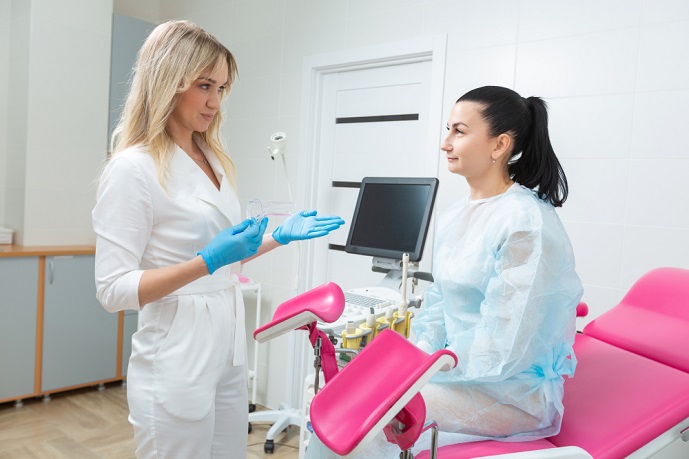
Even if you feel perfectly fine, routine gynecological visits are essential. Annual pelvic exams, Pap smears, and other preventive screenings help detect issues early—when they are most treatable. These visits also provide an opportunity to discuss any menstrual, sexual, or vaginal concerns with your physician.
Don’t wait until something feels wrong. .
- Manage Menstrual Hygiene Properly
Menstrual hygiene is more than a comfort issue—it’s a health priority. Change sanitary pads and tampons every 4–8 hours, even on light-flow days. This prevents bacterial growth and reduces the risk of toxic shock syndrome (TSS), a rare but serious condition linked to prolonged tampon use.
If you use a menstrual cup, be sure to sanitize it between uses and empty it regularly. Choose unscented, hypoallergenic products to minimize irritation and allergic reactions. Consider switching to organic cotton products if you have sensitive skin or frequent infections.
- Be Cautious With Lubricants
Vaginal dryness can occur due to hormonal changes, medications, or other factors. Using a lubricant can enhance comfort during intimacy—but choosing the right one matters. Look for water-based or silicone-based lubricants that are free from parabens, glycerin, and artificial fragrances.
Avoid oil-based lubricants if you’re using latex condoms, as these can weaken the material and reduce effectiveness. If dryness or irritation is persistent, speak with your provider to rule out underlying issues like hormonal imbalances or vaginal atrophy.
- Avoid Smoking and Excessive Alcohol
Smoking is known to impair circulation and reduce immune function, which can negatively affect the vaginal tissues and healing processes. It’s also been linked to an increased risk of cervical cancer. Excessive alcohol intake can disrupt hormonal balance and impair judgment, increasing the likelihood of unsafe sexual practices.
Limiting or eliminating these habits can significantly improve your vaginal and reproductive health, while also benefiting your overall wellness.
- Listen to Your Body
Your body often gives you signals when something is wrong. Pain during intercourse, chronic pelvic discomfort, unusual bleeding, or persistent itching should never be ignored. These could be signs of infections, fibroids, hormonal issues, or even more serious conditions.
If something doesn’t feel right, trust your instincts and schedule an appointment. Early intervention leads to faster relief, better outcomes, and peace of mind.
- Partner With Serenity Women’s Health
Your comfort and well-being come first. Our experienced physicians provide personalized, respectful, and confidential care tailored to your unique needs. From preventive checkups and STI screenings to hormone evaluations and reproductive health counseling, we offer a full range of gynecological services in a supportive and professional environment.
Whether you’re experiencing symptoms or simply want to take a proactive approach to your health, we’re here to help you feel confident in your body—at every stage of life.
Call us at Serenity Women’s Health today to schedule your appointment and experience compassionate women’s health care you can trust.
Disclaimer
Blogs, content and other media uploaded online are for informational purposes only. Contents on this website should not be considered medical advice. Readers are strongly encouraged to visit their physician for health-related issues.




Leave a Reply