

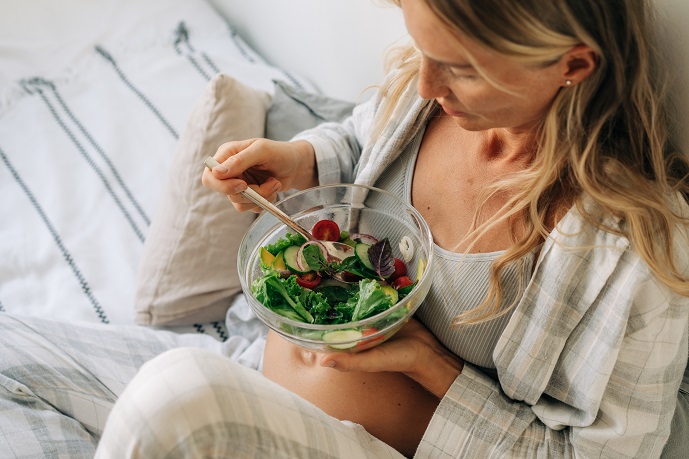
Recovering after childbirth takes time, and nutrition can support the body’s natural healing process. Food choices during the postpartum period may influence energy levels, tissue repair, hydration, and overall comfort. A balanced eating pattern provides nutrients that assist recovery while helping new mothers adjust to physical and emotional changes after delivery. Every recovery experience differs, so dietary needs can vary based on medical history, birth experience, and guidance from a physician.
- Balanced Nutrition Supports Recovery
The body works continuously to repair tissues after childbirth. Meals that include lean protein, whole grains, vegetables, fruits, and healthy fats provide nutrients involved in normal healing. Protein supports muscle and tissue repair, carbohydrates replenish energy, and healthy fats support normal body functions. .
- Protein Intake Helps Tissue Repair
Protein serves as one of the building blocks the body uses during recovery. Foods such as poultry, fish, eggs, beans, lentils, tofu, dairy products, and nuts can be included in daily meals. Pairing protein with vegetables and whole grains creates satisfying meals that provide a variety of nutrients. Individual nutritional needs differ, so a physician may recommend adjustments based on personal recovery goals.
- Hydration Promotes Daily Comfort
Fluid intake remains an important part of postpartum recovery. Water supports many normal body functions and helps replace fluids lost during childbirth. Nursing mothers often have higher fluid needs, making regular hydration part of daily self-care. Carrying a reusable water bottle and drinking fluids with meals can help establish a consistent routine.
- Iron-Rich Foods Support Recovery After Blood Loss
Some women experience blood loss during delivery that may reduce iron stores. Iron-rich foods such as lean beef, spinach, beans, fortified cereals, and lentils can help replenish dietary iron intake. Pairing these foods with vitamin C-rich fruits may improve iron absorption from plant sources. A physician may recommend iron supplementation if dietary intake alone does not meet individual needs.
- Fiber Intake Encourages Digestive Comfort
Digestive changes are common after childbirth. Fiber from vegetables, fruits, oats, beans, and whole grains supports regular bowel movements and may improve overall digestive comfort. Drinking enough water works together with fiber to support healthy digestion. Small, balanced meals spread throughout the day may feel more comfortable during the recovery period.
- Healthy Fats Contribute to Daily Wellness
Healthy fats provide energy and support normal body functions. Foods such as avocados, olive oil, seeds, nuts, and fatty fish contain beneficial fats that fit into a balanced postpartum eating plan. Including moderate portions with meals adds variety and supports overall nutrient intake. Selecting different food sources throughout the week encourages a broader range of nutrients.
- Vitamin-Rich Foods Help Meet Daily Nutritional Needs
Fruits and vegetables provide vitamins, minerals, and antioxidants that support normal body processes. Colorful produce offers a variety of nutrients, making variety a practical goal in meal planning. Fresh, frozen, and canned options without excessive added sugar or sodium can all contribute to a nutritious diet. Simple additions such as berries, leafy greens, carrots, or citrus fruits can increase nutrient intake without requiring complicated meal preparation.
- Meal Planning Can Reduce Daily Stress
Preparing nutritious meals may feel challenging during the early weeks after childbirth. Planning simple meals ahead of time can reduce decision-making and make healthy eating more manageable.
- Simple Breakfasts: Overnight oats, yogurt with fruit, or eggs with whole-grain toast provide protein, fiber, and carbohydrates that support morning energy. Preparing ingredients the night before saves time during busy mornings. Keeping healthy breakfast options readily available may encourage consistent eating habits
- Easy Lunches: Grain bowls, vegetable soups, chicken wraps, or bean salads combine several food groups into one meal. Leftovers from dinner can create convenient lunches with minimal preparation. Balanced lunches help maintain energy through the afternoon.
- Nutritious Snacks: Fresh fruit, nuts, cheese, hummus with vegetables, or whole-grain crackers provide satisfying options between meals. Small snacks can help meet nutritional needs during busy days. Choosing foods that combine protein and fiber may support longer-lasting fullness.
- Quick Dinners: Baked fish, grilled chicken, beans, roasted vegetables, and brown rice create balanced evening meals without extensive preparation. Slow cookers or sheet-pan recipes can simplify cooking. Family members may assist with meal preparation during the recovery period.
- Healthy Beverages: Water remains the primary choice for hydration, though milk and unsweetened beverages may contribute to daily fluid intake. Limiting sugary drinks can help maintain balanced nutrition. Drinking fluids consistently throughout the day supports overall recovery.
- Consistent Eating Habits Support Energy Levels
Skipping meals may contribute to fatigue during an already demanding period. Eating at regular intervals provides a steady supply of nutrients throughout the day. Preparing meals in advance, accepting help from family members, or keeping nutritious snacks nearby may make consistent eating easier. Every small effort contributes to building sustainable daily habits during recovery.
- Physician Guidance Supports Individual Recovery
Every postpartum experience is unique, and nutritional needs may differ based on delivery method, breastfeeding status, existing medical conditions, or recovery progress. A physician can recommend dietary adjustments, supplements, or meal strategies that fit individual circumstances. Questions about appetite changes, digestive concerns, food intolerances, or nutritional deficiencies deserve professional discussion during postpartum follow-up visits.
Healing after childbirth involves many factors, including rest, movement, hydration, and balanced nutrition. Building healthy eating habits can support the body’s natural recovery process and promote daily wellness during this important stage of life. If you have questions about postpartum recovery or nutrition, contact us at Serenity Women’s Health to schedule an appointment with one of our physicians.
Disclaimer
Blogs, content and other media uploaded online are for informational purposes only. Contents on this website should not be considered medical advice. Readers are strongly encouraged to visit their physician for health-related issues.
Leave a Reply