

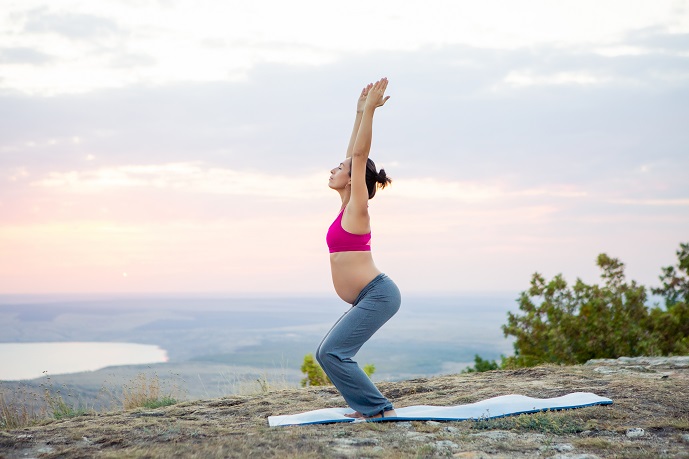
Menstrual cycle health is closely connected to physical activity, diet, and overall lifestyle habits. Many women experience symptoms such as cramps, fatigue, bloating, and mood fluctuations during their cycle, which can affect daily life and overall well-being. Incorporating yoga and specific exercise routines provides practical ways to support hormonal balance, improve circulation, and ease discomfort.
- The Impact of Exercise on Menstrual Health
Hormonal fluctuations throughout the menstrual cycle influence energy, mood, and metabolic processes. Regular exercise supports cycle health in several ways:
- Improved circulation:Physical activity increases blood flow to the pelvic region,helping relieve cramping and reduce bloating.
- Hormone regulation: Movement supports balanced estrogen and progesterone levels, which can help reduce premenstrual symptoms.
- Stress reduction: Exercise lowers cortisol levels and promotes the release of endorphins, which improve mood and mental clarity.
- Pain relief: Activities that enhance muscle tone and flexibility may alleviate tension in the back, hips, and abdomen.
Combining yoga with moderate exercise provides both relaxation and physical benefits, offering a holistic approach to cycle support.
- Yoga Poses for Menstrual Wellness
Yoga encourages mindfulness and relaxation while addressing muscular and hormonal needs. The following poses are particularly beneficial:
- Child’s Pose (Balasana)Purpose: Relieves tension in the lower back and calms the nervous system. Instructions: Kneel on the floor, sit back on your heels, extend your arms forward, and rest your forehead on the mat. Take deep breaths and hold for 1–3 minutes.
- Cat-Cow Stretch (Marjaryasana-Bitilasana)Purpose: Improves spinal flexibility and reduces abdominal discomfort. Instructions: On all fours, alternate arching the back upward (Cat) and dipping downward (Cow) with each breath. Repeat 10–15 times.
- Reclined Bound Angle Pose (Supta Baddha Konasana)Purpose: Opens the hips, eases pelvic tension, and promotes relaxation. Instructions: Lie on your back, bring the soles of your feet together, allow your knees to fall outward, and place your hands on your abdomen or by your sides. Hold for 3–5 minutes while focusing on slow, deep breathing.
- Legs-Up-the-Wall Pose (Viparita Karani)Purpose: Encourages circulation, reduces swelling in the legs, and relieves fatigue. Instructions: Sit sideways near a wall, lie back, and extend legs upward along the wall. Relax your arms by your sides and breathe deeply for 5–10 minutes.
- Supine Twist (Supta Matsyendrasana)Purpose: Relieves tension in the lower back and supports digestion. Instructions: Lie on your back, bring one knee across the body to the opposite side, extend the opposite arm outward, and turn your head gently in the opposite direction. Hold for 1–2 minutes per side.
- Supported Bridge Pose (Setu Bandhasana)Purpose: Strengthens the lower back, stretches the chest and hips, and improves circulation to the pelvic area. Instructions: Lie on your back with your knees bent and your feet hip-width apart. Lift your hips toward the ceiling while keeping your shoulders and head on the floor. Hold for 30–60 seconds while breathing evenly.
- Exercise Techniques to Promote Hormonal Balance
Beyond yoga, other forms of exercise can help stabilize hormones, reduce premenstrual symptoms, and support overall fitness.
- Cardiovascular ExerciseActivities: Walking, cycling, swimming, or dancing. Benefits: Boosts circulation, increases energy, and reduces bloating. Aim for 20–30 minutes, 3–4 times per week.
- Strength TrainingActivities: Bodyweight exercises, resistance bands, or light weights. Benefits: Enhances muscle tone, supports metabolism, and promotes hormonal balance. Two sessions per week are sufficient for noticeable benefits.
- PilatesPurpose: Strengthens core muscles, improves posture, and enhances pelvic stability. Suggestions: Include exercises such as leg lifts, planks, and pelvic curls for 15–20 minutes per session.
- Low-Impact AerobicsPurpose: Gentle movements reduce stress on joints while improving cardiovascular health.
- Mindful MovementPurpose: Combines physical activity with mindfulness to reduce stress and improve mental clarity.
- Adjusting Exercise to Your Menstrual Cycle
Women may notice changes in energy and tolerance throughout the cycle. Modifying exercise intensity based on these phases can improve comfort and outcomes:
- Menstrual Phase: Gentle stretching, yoga, and light walking. Focus on comfort and avoid high-intensity workouts.
- Follicular Phase: Energy levels rise, making this an ideal period for moderate cardio, Pilates, or strength training.
- Ovulatory Phase: Higher energy allows for vigorous workouts and resistance training.
- Luteal Phase: Fatigue or bloating may occur; restorative yoga and moderate activity are most beneficial.
- Complementary Lifestyle Practices
Supporting cycle health involves more than physical activity. Consider these additional strategies:
- Maintain a balanced diet rich in whole foods, lean proteins, and healthy fats.
- Stay hydrated to reduce bloating and support digestion.
- Prioritize quality sleep to aid hormonal regulation.
Practice stress reduction techniques such as meditation, journaling, or deep breathing exercises.
- When to Consult a Physician
Persistent issues such as irregular cycles, severe pelvic pain, or heavy bleeding require consultation with a physician. A professional evaluation ensures that any underlying concerns are addressed, and exercise routines are safe and effective for individual needs.
Integrating yoga and structured exercise into daily routines offers significant benefits for menstrual wellness and overall quality of life. For personalized guidance on managing your cycle and optimizing exercise plans, reach out to us at Serenity Women’s Health. Our physicians provide expert advice to help women achieve comfort, balance, and improved well-being.
Disclaimer
Blogs, content and other media uploaded online are for informational purposes only. Contents on this website should not be considered medical advice. Readers are strongly encouraged to visit their physician for health-related issues.


Leave a Reply