

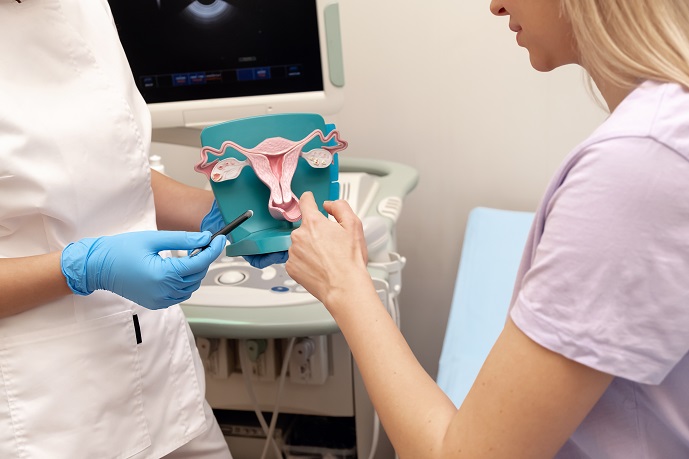
. The cervix, located at the lower end of the uterus, acts as both a protective barrier and a passageway between the uterus and vagina. Because of its crucial role in reproductive function, it’s essential to maintain its health through preventive measures, early detection, and professional guidance.
When cervical health is prioritized, many serious conditions, including cervical cancer, can be prevented or managed effectively in their earliest stages. We are committed to helping women take control of their reproductive wellness with comprehensive screening, education, and personalized care.
- Why Cervical Health Matters
Cervical conditions such as cervical dysplasia, HPV-related changes, and cervical cancer can progress silently. In their early stages, these issues may not present any noticeable symptoms, which makes routine screening and preventive strategies vital.
Worldwide, cervical cancer remains one of the most common cancers in women. However, with advances in screening and vaccination, it is also one of the most preventable. When abnormalities are found early, treatment is highly effective, and long-term outcomes are significantly improved.
Taking proactive steps to protect cervical health benefits not only your reproductive system but also your overall well-being, allowing you to maintain a healthy, active lifestyle.
- Key Prevention Strategies
- Regular Screenings
Routine screenings, including Pap smears and HPV testing, are the most effective ways to detect early changes in cervical cells. The Pap smear examines cervical cells for abnormalities, while the HPV test checks for the presence of high-risk HPV strains known to cause most cases of cervical cancer.
For many women, screening should begin at age 21, but your physician will determine the right schedule based on your personal and family medical history. Staying consistent with appointments ensures that any potential issues are addressed promptly.
- HPV Vaccination
Human papillomavirus (HPV) is the leading cause of cervical cancer. The HPV vaccine provides strong protection against the virus types most likely to cause cancer and genital warts. Vaccination is ideally given before exposure to HPV, making it especially important for preteens, but it can still offer benefits to young adults and those who have not yet been exposed to certain strains.
- Safe Sexual Practices
Barrier protection, such as condoms, reduces—but does not completely eliminate—the risk of HPV and other sexually transmitted infections that may affect the cervix. Limiting the number of sexual partners and having open conversations about sexual health also play a role in prevention.
- Healthy Lifestyle Choices
A strong immune system helps the body fight infections, including HPV. A balanced diet rich in vitamins and antioxidants, regular physical activity, and quitting smoking are all proven ways to improve immune response. Smoking, in particular, has been linked to an increased risk of cervical abnormalities because it can weaken the immune system and damage cervical cells.
- Timely Follow-Up Care
If screening results are abnormal, your physician may recommend additional testing such as colposcopy or a cervical biopsy. Early follow-up and treatment are critical in preventing the progression of precancerous changes to cervical cancer. Delaying care may allow a manageable condition to become more serious.
- Regular Screenings
- Recognizing Possible Warning Signs
While most cervical health issues are silent in the beginning, certain symptoms should prompt an immediate visit to your physician:
- Unexplained vaginal bleeding, including bleeding between periods or after intercourse
- Pelvic pain not related to your menstrual cycle
- Pain during sexual activity
- Unusual vaginal discharge, especially if it has a strong odor or abnormal color
These symptoms may not always indicate a serious condition, but they should never be ignored. Early evaluation can make all the difference in diagnosis and treatment.
- The Role of Your Physician in Cervical Health
A physician is your most important partner in maintaining cervical health. Beyond performing screenings, your physician provides expert guidance tailored to your unique medical background, lifestyle, and reproductive goals. They can explain test results, recommend appropriate follow-up, and provide treatment options if necessary.
In addition, your physician can counsel you on preventive measures that go beyond medical screenings—such as nutritional guidance, sexual health education, and strategies for maintaining a healthy immune system. This personalized approach ensures that you receive care that aligns with your needs and priorities.
- Myths and Misconceptions About Cervical Health
Many women mistakenly believe that if they feel healthy, they do not need cervical screenings. The truth is, cervical cancer often develops without symptoms until it is in an advanced stage. Regular screening is the only reliable way to detect early cellular changes.
Another common misconception is that the HPV vaccine eliminates the need for Pap smears. While the vaccine is highly effective in preventing infection from certain HPV strains, it does not protect against all types. Regular screening remains essential even for vaccinated women.
- Taking Charge of Your Cervical Health
Cervical health is not something to think about only when symptoms appear—it requires consistent attention. The combination of regular screenings, vaccination, safe sexual practices, and healthy lifestyle habits offers the best protection.
Women who prioritize preventive care enjoy the peace of mind that comes from knowing they are taking active steps to safeguard their health. Prevention is always easier—and far less invasive—than treatment after a problem has developed.
- Your Partner in Wellness
At Serenity Women’s Health, we understand that your health is personal, and so is your care. We offer comprehensive cervical health services, including Pap smears, HPV testing, vaccination, and follow-up treatments. Our experienced physicians are dedicated to creating a comfortable environment where your concerns are heard, your questions are answered, and your well-being is the top priority.
Whether you are scheduling your first screening, seeking guidance on prevention, or addressing a recent diagnosis, our team will be with you every step of the way. Your reproductive health deserves expert attention—and we are here to provide it.
Don’t wait until symptoms appear. ContactSerenity Women’s Health today to schedule your cervical screening or consultation. Your health is worth protecting—start now.
Disclaimer
Blogs, content and other media uploaded online are for informational purposes only. Contents on this website should not be considered medical advice. Readers are strongly encouraged to visit their physician for health-related issues.



Leave a Reply